
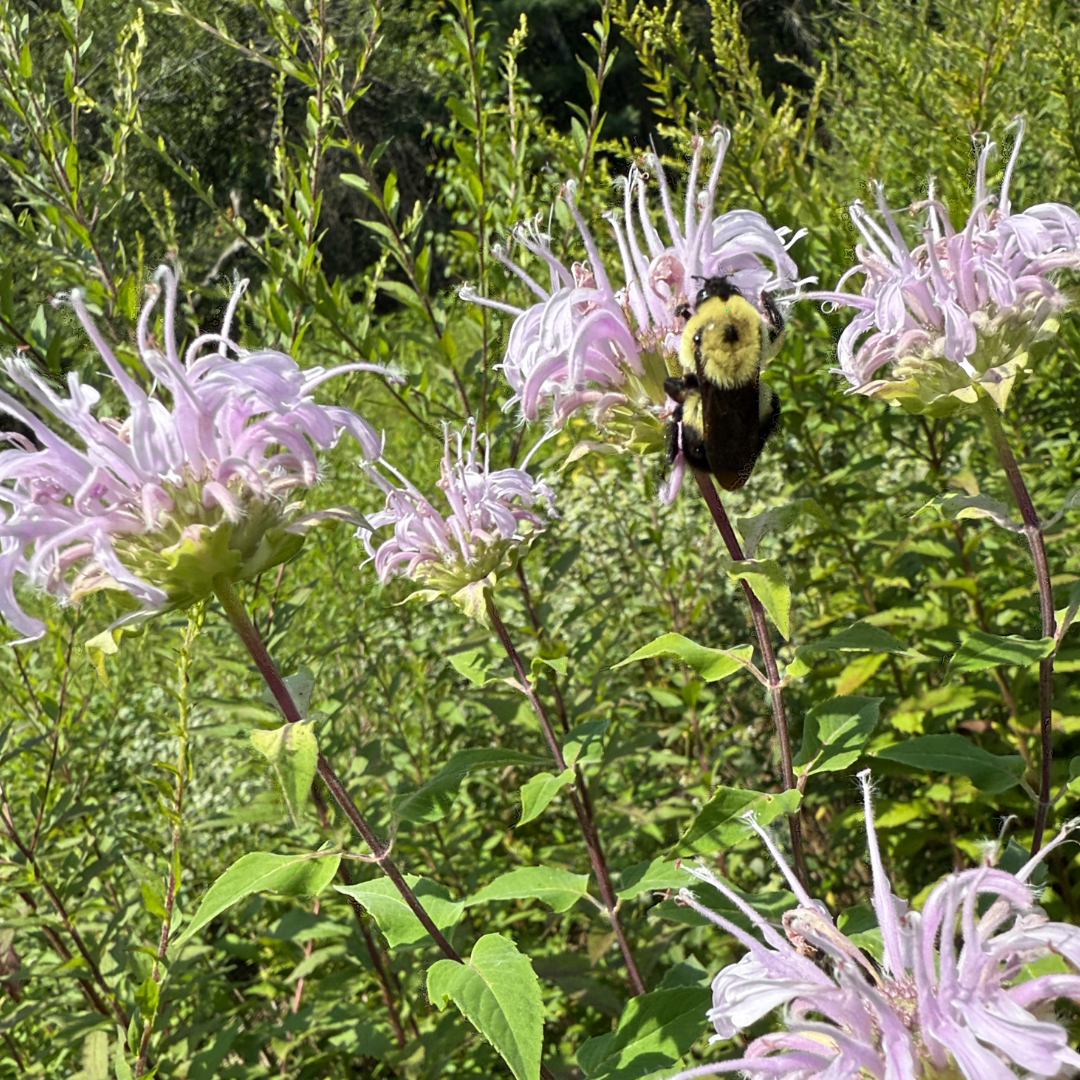
The Middlesex Conservation District works to support conservation practices on this landscape through local partnerships and voluntary action. Prioritizing native plants that are part of this region’s ecosystems is one practical way to do that.
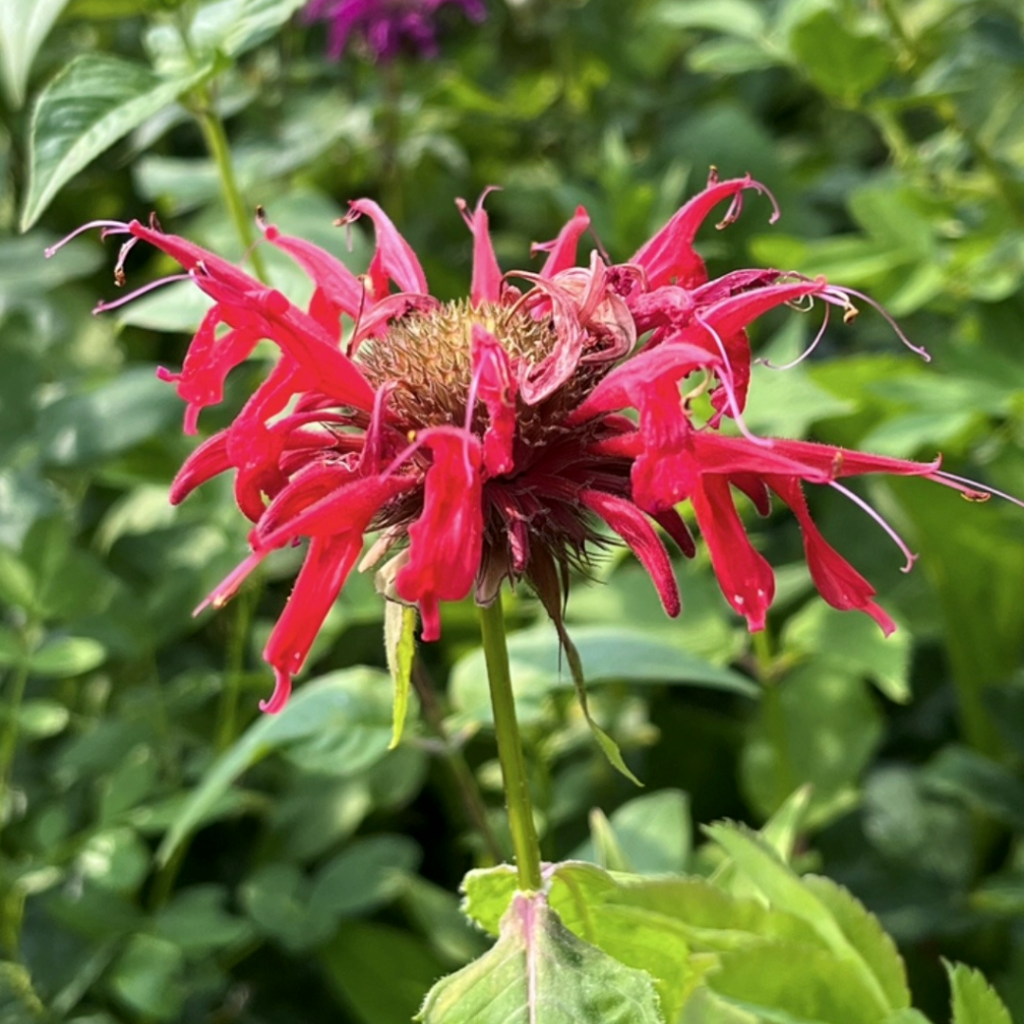
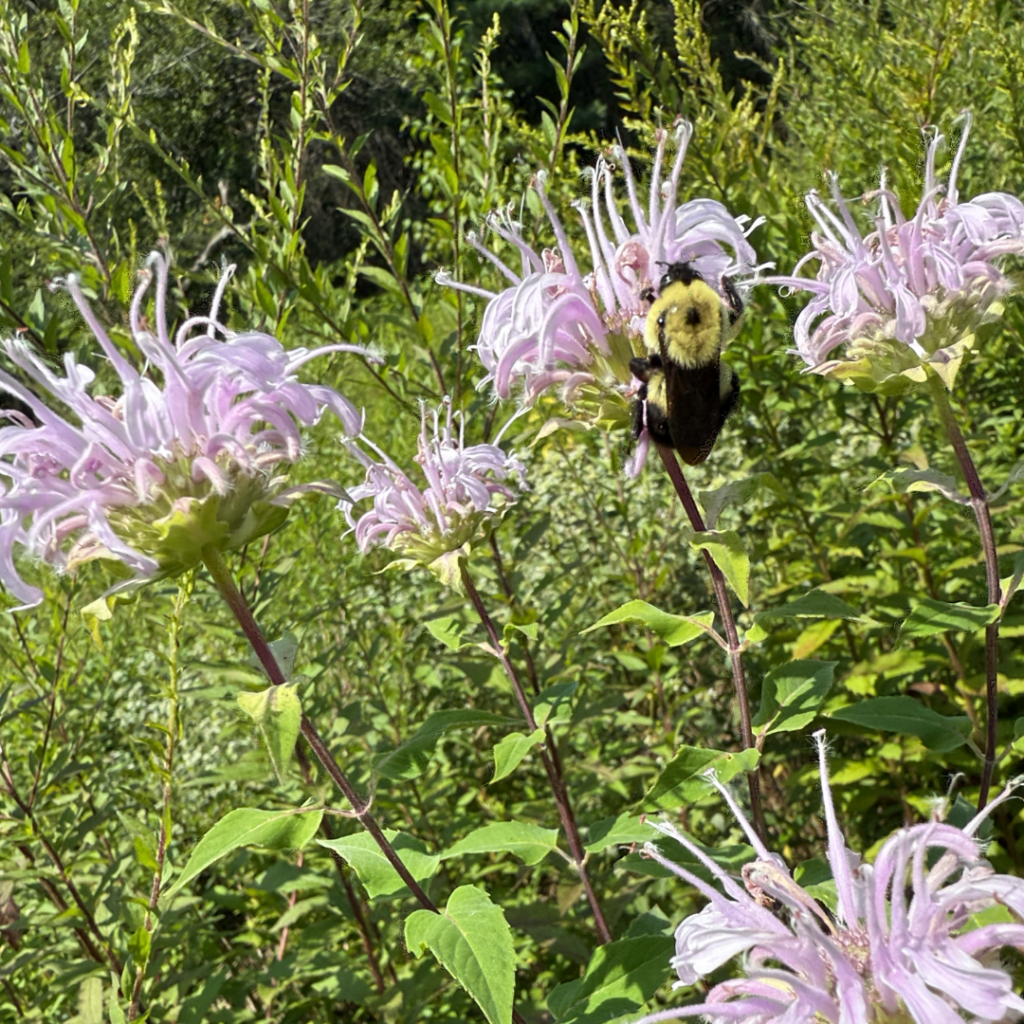
Defining “Native” vs. “Local”
Here in the United States, we have a complex history with the concept of “native,” shaped by Indigenous displacement and land theft during European colonization. When referring to plants, the term refers to species that evolved here before European colonization.
When we say “local,” we mean plants that occur within a given region, such as Massachusetts or New England, or, more narrowly, Middlesex County. In our own gardens, we like to source plants of local ecotype, grown from seed collected in Massachusetts or southern New England. We also prioritize plants grown without neonicotinoid insecticides, which can persist in pollen and nectar and harm pollinators.
Ecological Context: No Single Baseline in Massachusetts
The land occupied by Middlesex County was managed for millennia by Indigenous peoples, who shaped forests, waterways, and plant communities in ways that supported long-term ecological function.
Indigenous knowledge of plants was passed through oral traditions and lived practice, so much of what we now treat as the starting point for native plant distributions comes from later European documentation.
Over the course of European colonization, large areas were cleared for agriculture and timber, then further reshaped by towns, roads, lawns, and introduced species. There is no single “original” baseline to return to.
What we can focus on is making today’s landscapes work better for the living things already trying to survive here.
How Invasive Plants Spread
Most of the plants now considered invasive in Massachusetts were planted intentionally.
Early European settlers introduced familiar crops and garden plants from their ancestral homelands. Some, like garlic mustard (Alliaria petiolata), were brought for cooking and later spread into forests. Over time, additional species were imported for landscaping, erosion control, forestry, and habitat planting.
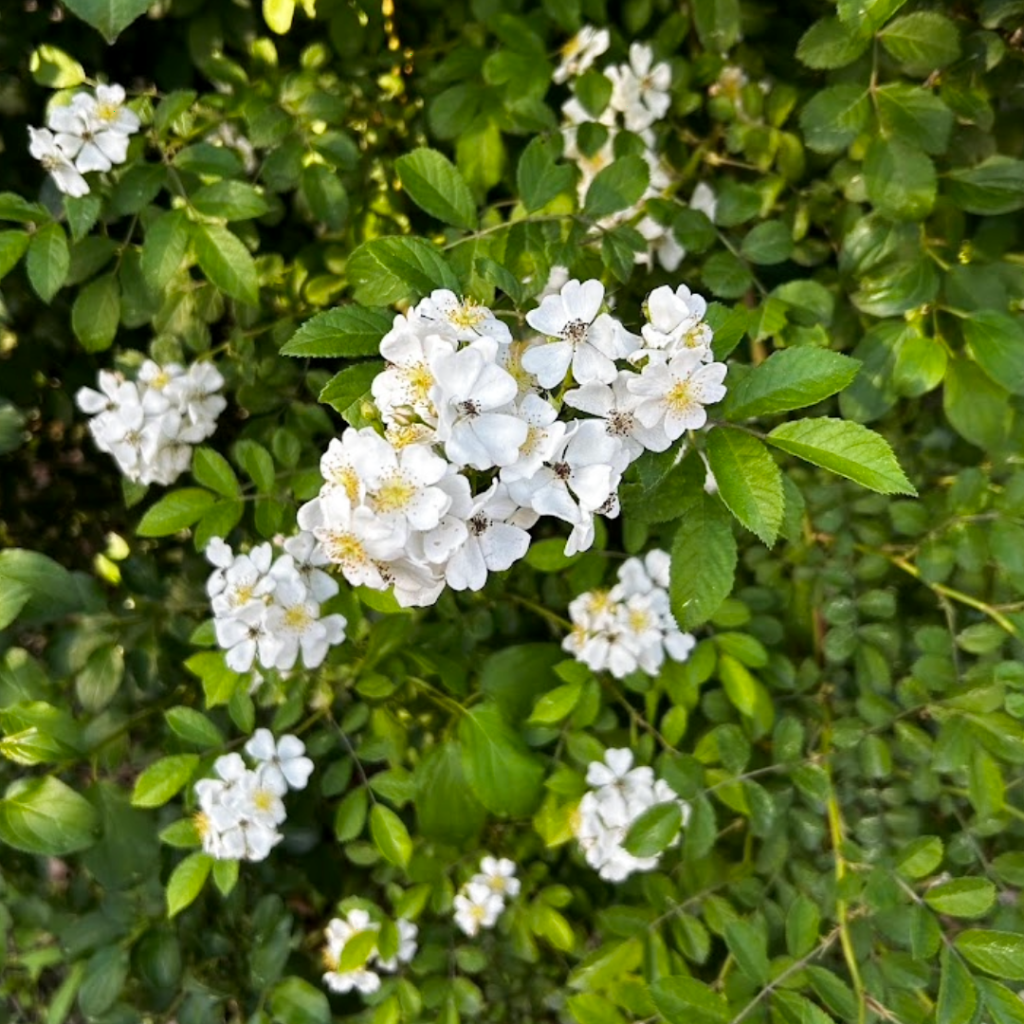
Amur honeysuckle (Lonicera maackii) and Japanese barberry (Berberis thunbergii), for example, were widely planted as ornamentals, while multiflora rose was used for erosion control. In other cases, plants arrived accidentally through trade, for example in packing materials or soil.
Without the insects, diseases, and natural controls that regulated them in their native range, some of these species expanded into forests, wetlands, and roadsides.
In some cases, these plants can also have unintended effects; Japanese barberry, for example, has been associated with higher tick abundance in invaded areas, with a Connecticut Agricultural Experiment Station–led study showed greater densities of deer ticks (Ixodes scapularis) in dense barberry stands and reductions where it is removed.
Why Local Native Plants Work Better
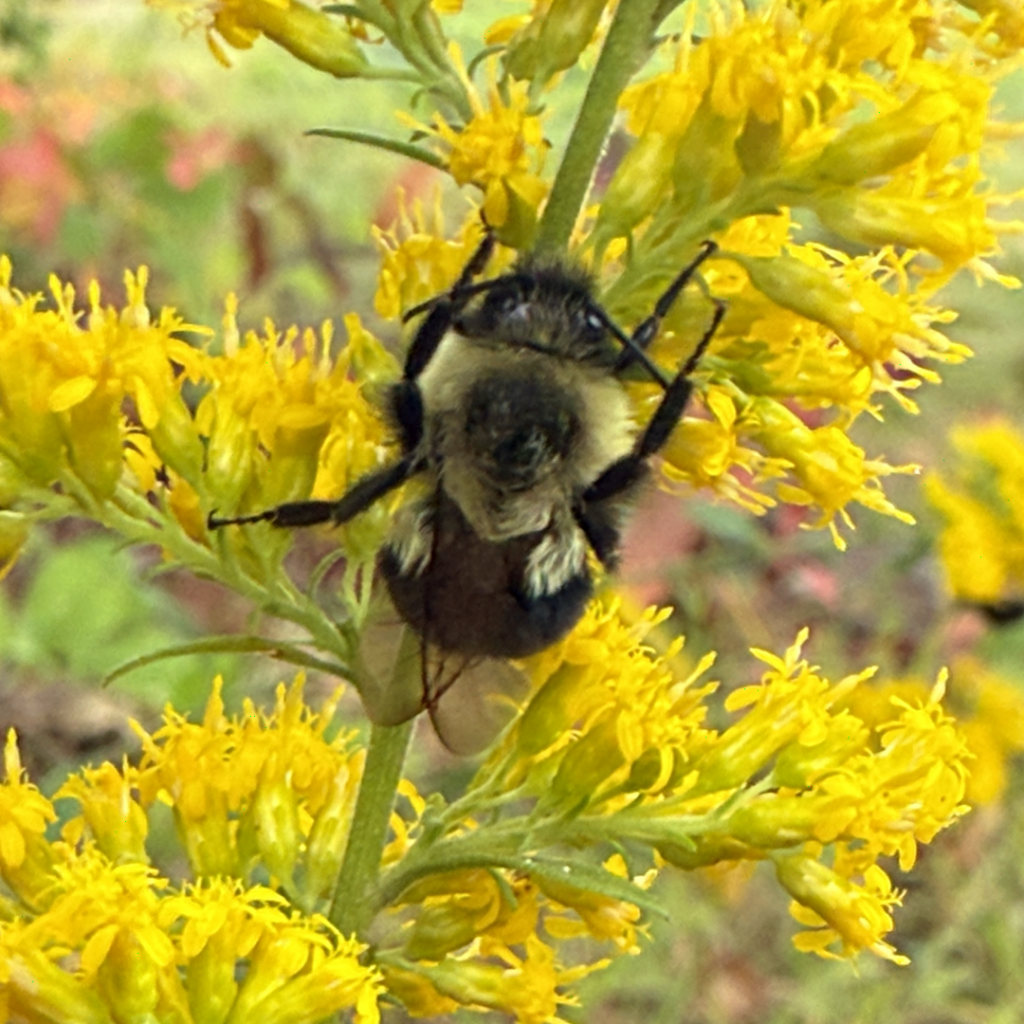
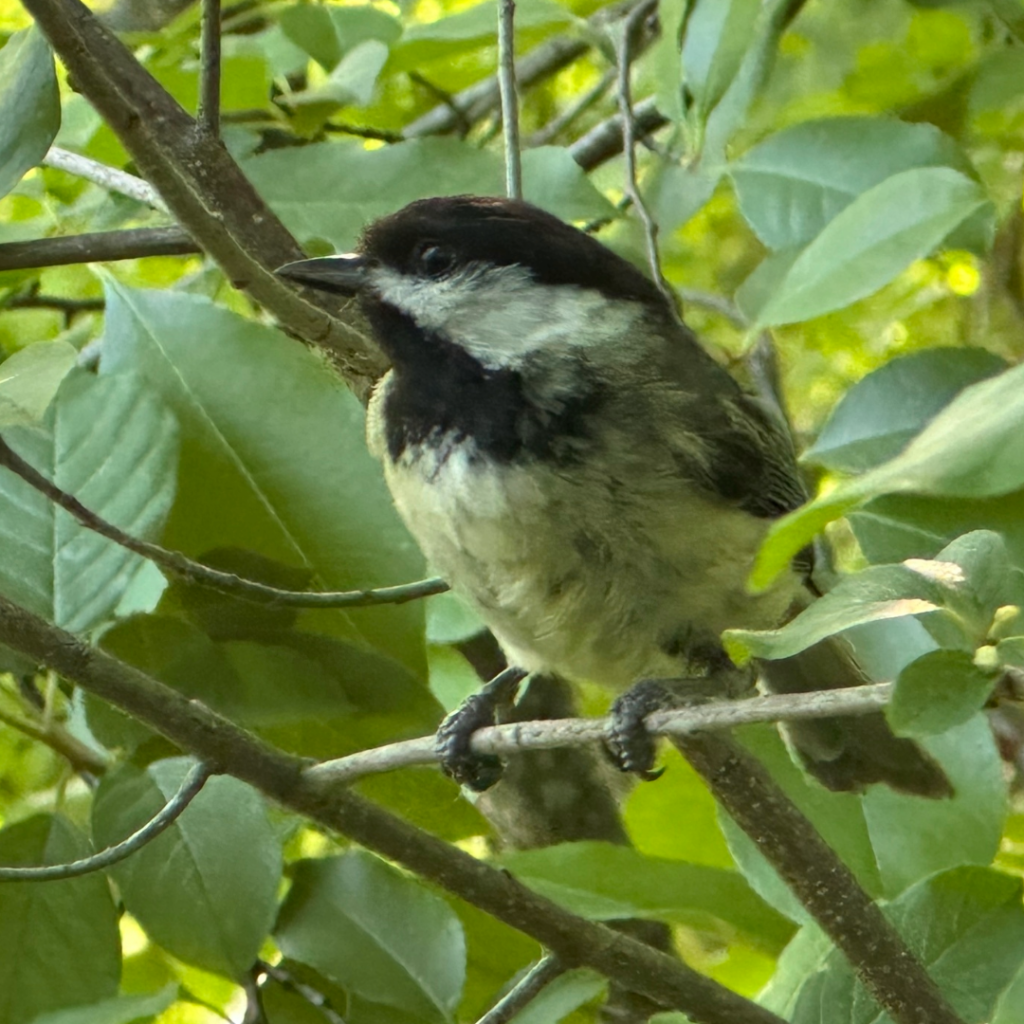
- They support the food web. Many insects rely on specific plants for food and reproduction. Those insects support butterflies, birds, and other wildlife in ways non-native plants cannot.
- They support wildlife you actually want to see. Butterflies, songbirds, and other familiar species depend on plants that evolved with them. That doesn’t mean your garden won’t be nibbled. It probably will. As noted in Gardening for All Wildlife, a bit of browsing is often a sign your garden is participating in a larger system.
- They are better aligned with local conditions. Plants adapted to this region often require less watering, fewer inputs, and fewer chemical fixes once established.
- They support resilience. As climate change alters seasonal patterns, plants already embedded in regional ecosystems help maintain those connections.
Nativars vs. Straight Species
Some growers selectively breed species that are likely to produce desirable traits, including deeper colors, uniquely patterned leaves, or smaller footprints.
These traits are more for us than for the wildlife. Dark foliage and double-flowered forms can reduce insect use, either by changing leaf chemistry or making nectar and pollen harder to access.
That said, perfect is the enemy of the good. Doug Tallamy and researcher Annie White suggest that the goal is 70% native, so if you’re at your favorite garden center choosing between a cultivar pink summersweet (Clethra alnifolia ‘Ruby Spice’) or a butterfly bush, the summersweet wins on wildlife value every time.
Choosing Plants for Local Ecosystems
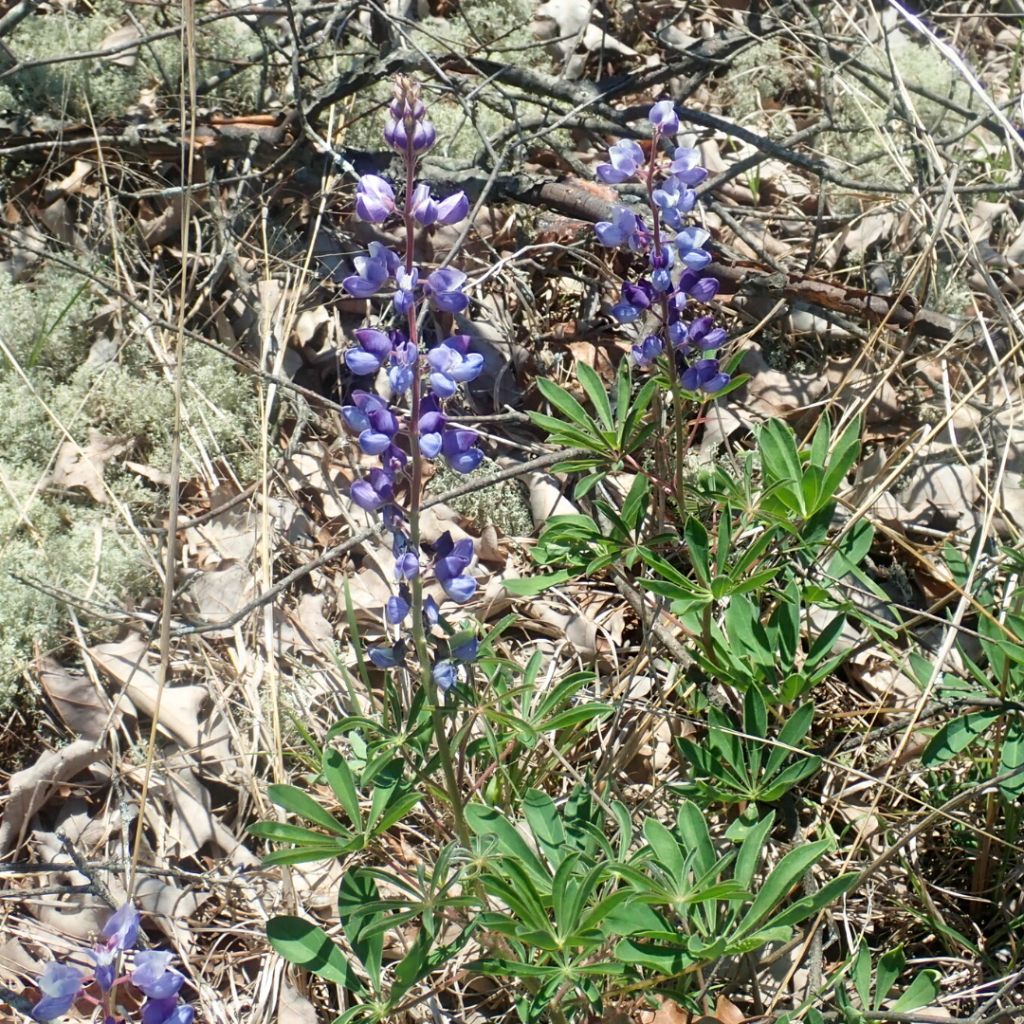
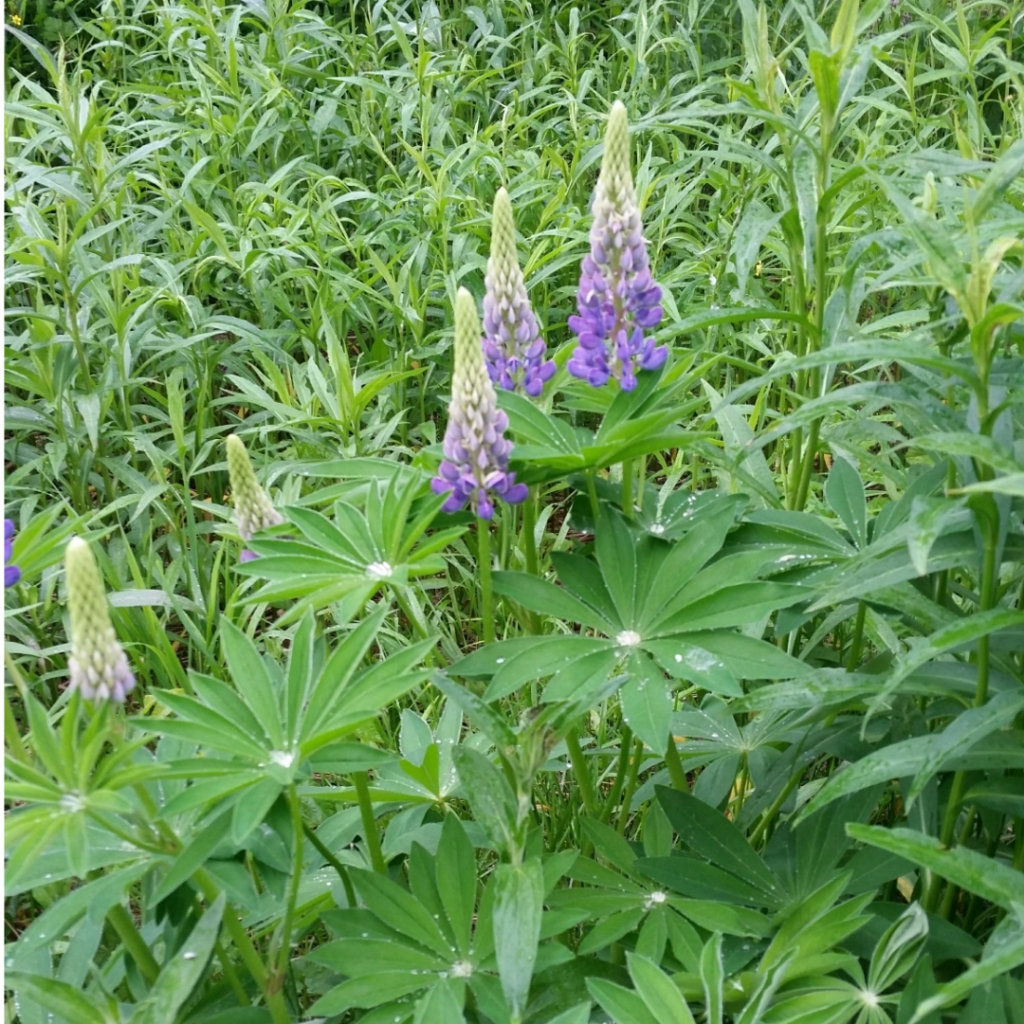
Plants documented as native to this region are a strong starting point. Many insects rely on specific host plants, and birds rely on those insects. That said, plant geography is not always clear-cut, partly because much of Middlesex County sits within a transition between upland and coastal New England ecosystems, where forests are typically dominated by oak, pine, and hemlock growing on acidic, glacially formed soils.
A species native to nearby regions (Rhode Island or southern New Hampshire) may function just as well in eastern Massachusetts where soils, moisture, and growing conditions are similar.
If you’d like help selecting plants for your landscape, the following resources can help you identify species that match your site conditions and support local wildlife.
The Massachusetts Pollinator Network has compiled a helpful list of plants that support wildlife, including light and moisture requirements
(access the Native Plant Selection Guide under “Key Resources”).
For gardeners interested in maximizing ecological impact, Homegrown National Park’s Keystone Plants tool can help identify plant groups that support exceptionally large numbers of insects and other wildlife.

We also recommend Dr. Robert Gegear’s research-based plant lists, which focus on plant species used by declining and at-risk pollinators in New England.
Resources: Learn More
Landscape History: New England
- Native Land Digital – use your zip code to see which native land you are living on and go to the websites of each to learn more about them
- Landscape History of Central New England – Harvard Forest
- A History of New England’s Forests – Harvard Museum of Natural History
- The Return of Old Growth Forests – New England Forests
- Our History – New England Forestry Foundation
- A Changing Canopy: Stewardship in Evolving Historic Landscapes – Historic New England
- The Science of Land-Use Change in New England – Wildlands Woodlands Farmlands & Communities
What Defines a Native Plant
- What are Native Plants? – Grow Native Massachusetts
- What is a Native Plant? – MAPN
- Definitions of Native and Non-Native Plant Species – Mass.gov
- Native Plants 101: What is a native plant? – The Conservation Foundation
- What Are Native Plant Materials? – US Forest Service
- About Native Plants – Prairie Nursery
- Why Native Species Matter – USDA
Native Plants vs. Cultivars
- Cultivars vs. Straight Species – MAPN
- Natives, Cultivars, and “Nativars” – Grow Native! Missouri Prairie Foundation
- Native, or Not So Much? – National Wildlife Foundation
- Native vs. “nativar” – do cultivars of native plants have the same benefits? – University of Illinois Urbana-Champaign
- Ask Doug: Cultivars vs Straight Species Native Plants – Homegrown National Park
- Do Cultivars Support Biodiversity? | Doug Tallamy, Margaret Roach, Benjamin Vogt & Rebecca McMackin – Homegrown National Park
How Native Plants Support Ecosystems
- The Power of Native Plants for Water Conservation and Wildlife Habitat – Mass.gov
- An Ecosystem Approach – Grow Native Massachusetts
- Native & Beneficial Plants – Mass Audubon
- How native plants are essential for pollinator and ecosystem health – MAPN
- How native plants support insect and bird reproduction – MAPN
- Native Plants – Town of Pepperell Massachusetts
- Native Plants and Pollination – Pollinator Pathways
- Pollinators and Native Plants – Mashpee Horticultural Society
- Native Plant Lists/Benefits of Planting with Regionally Native Plant Species – Town of Mashpee Massachusetts
- Native Plant Initiative – Association to Preserve Cape Cod
- Why Native Plants Matter in Massachusetts – Mahoney’s
Ecotypes vs. Hardiness Zones
- Ecoregions of North America – EPA
- SGI Combined EPA EcoRegions of North America and USDA Plant Hardiness Zones – Sustainable Gardening Library
- Turn off the first layer (3rd button on bottom), “USDA Hardiness Zones 2023 view” to see Ecoregions
- What is an Ecoregion – Pollinator Pathways
- Ecoregions, Native Ranges, and Hardiness Zones Explained – Wild Ones
- Gardening with Native Plants: Hardiness Zones and Ecoregions – Backyard EcologyTM
- Hardiness Zones and Ecoregions for Climate-Smart Gardening – NWF Blog
Tools and Databases
- Massachusetts Native Plant Palette – Mass.gov
- Lady Bird Johnson Wildflower Center
- Go Botany – Native Plant Trust
- Find Bird-Friendly Native Plants – Audubon
- North American Keystone Plants – Homegrown National Park
- Native Plant Finder by Zip Code – National Wildlife Federation
- The Biota of North America Program (BONAP)
- USDA Plants Database
Get Started with Native Plants
The Middlesex Conservation District offers workshops, plant sales, and educational resources to help you incorporate native plants into your landscape.
Explore upcoming events or learn more about our programs to get started.