
Written by Andrea Grossman and edited by Kaitlyn McAuley.
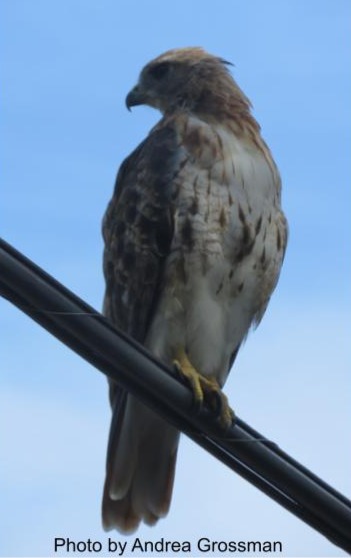
Spring is here, and warmer weather brings flowers, butterflies, and songbirds migrating north. Increased activity among rabbits, voles, and moles at ground level attracts predators like hawks, owls, foxes, and weasels, sometimes right in our own backyards!
The Middlesex Conservation District focuses on gardening to support wildlife. When we say wildlife, however, we mean all wildlife. While animals may test our patience in the garden by munching on seedlings, roots, and stems, they play essential roles in keeping ecosystems healthy and balanced.
To understand why these interactions matter, it helps to look at how energy moves through ecosystems. Energy moves through trophic levels: primary producers (plants); primary consumers (rabbits, voles, and deer); secondary consumers (frogs and many songbirds); higher‑level predators such as snakes, hawks, coyotes, and eagles; and decomposers like fungi and bacteria. We often hear references to the food chain, but ecosystems function more like complex food webs. Every creature eats something, and almost every creature is eaten by something else.
This interconnectedness also helps explain why some animals have a bad reputation. You may be worried that shrews and moles are going after your plants; interestingly, they are carnivores (animals that eat meat). They are not part of the rodent order (mice, voles, rats, beavers, muskrats, squirrels, chipmunks, and porcupines) nor the lagomorph order (rabbits, hares, and pikas). Rather, they are classified in the order Eulipotyphla. Eulipotyphlans consume primarily insects, plus snails, slugs, spiders, centipedes, crickets, grasshoppers, and for larger species of shrews, and other small animals. They also have even been documented consuming highly invasive jumping worms (Amynthas spp.).
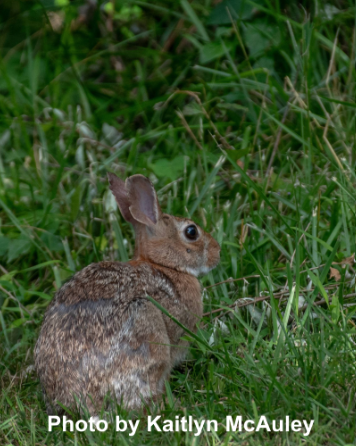
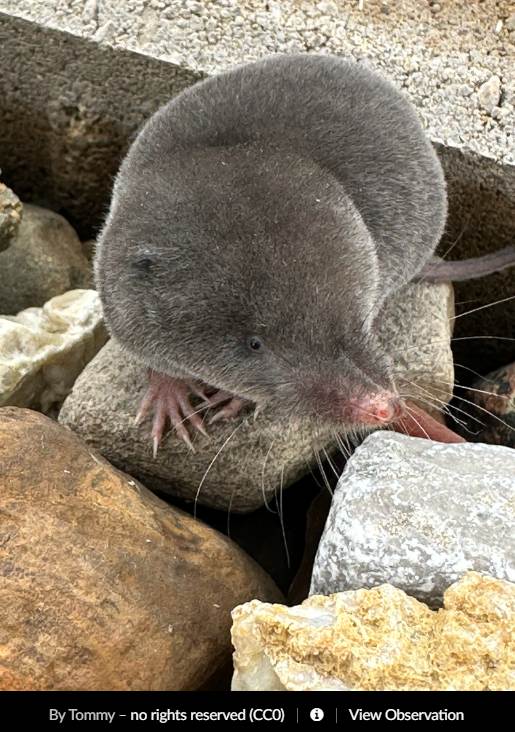
Short tailed shrews, unlike other shrews, will eat some plant material in winter, including berries, fungi, nuts, fruits, and seeds, to stay alive. While we may not like tunneling in our gardens, these tunnels aerate soil, redistribute nutrients, and improve drainage. Moles are especially effective at reducing lawn and garden pests such as cranefly larvae and slugs.
While shrews and moles are tiny predators, animals like foxes, bobcats, hawks, owls, and weasels are much larger ones. These predators naturally regulate prey populations. Ecosystems are a delicate balance of animals and plants. If prey species such as mice become abundant, it may indicate that predator populations are low. If predator numbers rise beyond what prey can support, predator populations will decline until balance is restored.
Before concluding that there are “too many” of any one species, it helps to step back. There are two ways to think about “too much.” Biological carrying capacity is the maximum population an ecosystem can support over time. Cultural carrying capacity reflects how many animals humans are willing to tolerate. An area may appear to have too many hawks or bobcats, even when the ecosystem can sustainably support them.
Got mice, voles, or other garden pests? One effective response is to support the predators that naturally keep populations in check, rather than calling a pest control company. Owl boxes, old trees with deep cavities, and standing dead trees (snags) provide essential habitat and help keep populations in balance.
Our choices at home also affect this balance. We understand that mice and rats can get into your home, damage walls and interior living spaces, and contaminate areas with fecal matter. However, putting rodenticide inside your home or in outdoor spaces often makes the problem worse. Not only have rodents developed resistance to many poisons, but those poisons can also harm or kill animals that prey on rodents.
In fact, the word rodenticide is a misnomer; these poisons, often broad‑spectrum first‑ and second‑generation anticoagulants (“anti” meaning against, and “coagulant” meaning clotting), are not targeted only at rodents. By disrupting the blood’s ability to clot, they cause internal bleeding in any animal that ingests them, directly or indirectly. A hawk that ingests poisoned rodents can suffer the same slow death. Wildlife, as well as cats and dogs, are vulnerable to anticoagulant poisoning.
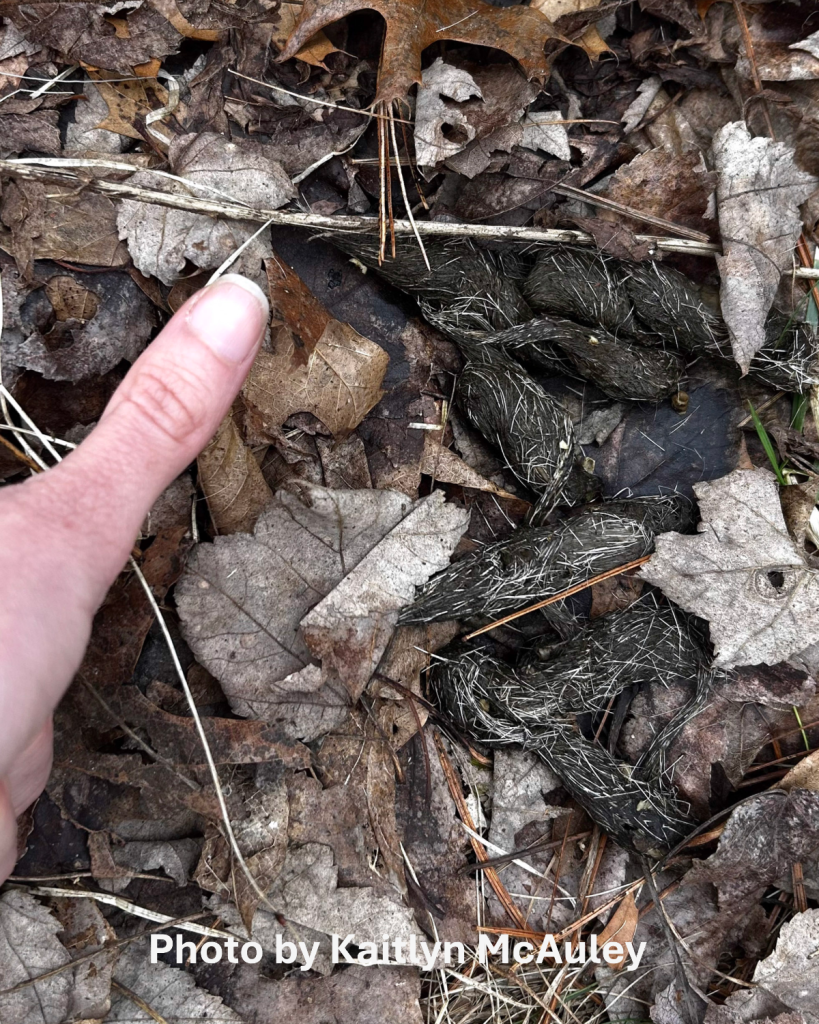
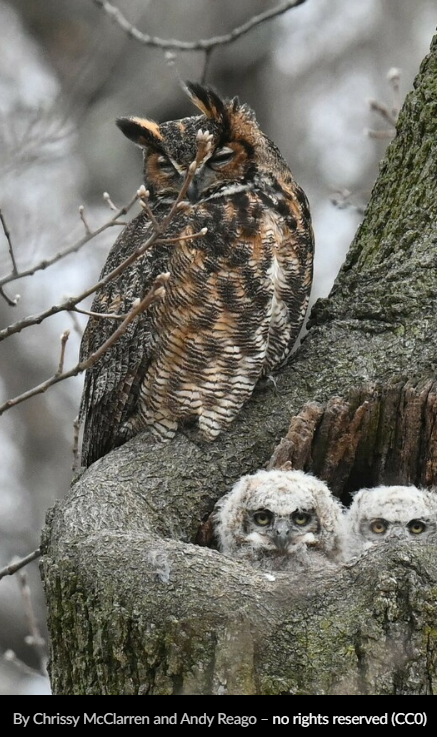
If you have a rodent issue in your home and want to keep ecosystems functioning while protecting pets, instant‑kill traps are a better option than poisons or glue traps, which cause prolonged suffering. Placing dead, non‑poisoned rodents outdoors allows scavengers to safely consume them and keeps nutrients cycling through the ecosystem. Addressing the conditions that attract rodents in the first place is often the most effective long‑term solution.
Beyond direct poisoning, a 2020 study found that rodenticide use in municipal sewer systems, combined with heavy rainfall events, releases second-generation anticoagulants directly into waterways via sewer overflows. Conventional wastewater treatment cannot effectively remove these compounds; as persistent substances, they bind to sediment and organic material and are consumed by bottom-dwellers, which are then consumed by fish. Residues were found accumulating in the liver tissue of freshwater fish more than a year after the initial poison application, which can bioaccumulate through the aquatic food web and threaten higher-level predators, including larger fish, otters, and kingfishers (Regnery et al., 2020).
Supporting wildlife means supporting all wildlife. Herbivores (plant‑eating animals) and omnivores (plant‑ and meat‑eating animals) help shape plant communities, carnivores regulate herbivores and omnivores, and detritivores return nutrients to the soil. In this way, the cycle repeats, sustaining healthy, biodiverse ecosystems.
Citation:
Regnery, J., Schulz, R. S., Parrhysius, P., Bachtin, J., Brinke, M., Schäfer, S., … & Friesen, A. (2020). Heavy rainfall provokes anticoagulant rodenticides’ release from baited sewer systems and outdoor surfaces into receiving streams. Science of the Total Environment, 740, 139905.
Learn more with these links below:
Ecosystem Balances and Capacity
- Carrying Capacity – Texas Parks & Wildlife
- Carrying Capacity – Biology Online
Predator Prey Relationships
- Predator Prey Relationship – Texas Parks & Wildlife
- The Predator Prey Relationship: an Intricate Balance – Adirondack Almanack
Importance of Predators
- Predators Play an Irreplaceable Role in Ecosystems – University of Minnesota
- Predators: Why Do They Matter – Deschutes Land Trust
- The Value of Predators for Healthy Ecosystems – Cheetah Conservation Fund Canada
- What happens to ecosystems when you restore iconic top predators? It’s more complicated than you might think. – US Santa Cruz News
Food Webs
- Food Webs – National Geographic
- Food Web: Concept and Applications – Hui, D. (2012) Food Web: Concept and Applications. Nature Education Knowledge 3(12):6
- Aquatic Food Webs – NOAA
- Food Web – Chesapeake Bay Program: Science, Restoration, Partnership
Rodenticides
- Rodenticide Risks to Pets, Children, and Wildlife – Center for Biological Diversity
- Another Raptor Dies of Poisoning. This Time, a Great Horned Owl in Belmont – Mass Audubon
- Protecting the Raptors of Massachusetts – Mass Audubon
- Rodenticide Toxicity – Mass.gov
- Rodenticides and Wildlife – Town of North Reading
- Rodenticide Poisoning in Wildlife – Wildlife Center of Virginia
- Pet Safety Alert: Beware of Rodenticide – ASPCA
- Investigating Rodenticide Exposure in Carolina Furbearers – US Fish and Wildlife Service
- Raptors are the Solution
- Anticoagulant Rodenticide Scientific Review Final Report – MDAR and ERG
- Rodenticides – EPA
- Bromadiolone Fact Sheet – National Pesticide Information Center
- Heavy rainfall provokes anticoagulant rodenticides’ release from baited sewer systems and outdoor surfaces into receiving streams – Regnery et al., 2020