
Written by Andrea Grossman. Edited by Kaitlyn McAuley.
Why Leaving the Leaves Helps Nature Thrive
With warming days and melting snow (finally), it’s tempting to head outside and start cutting back stems, raking leaves, and clearing what looks dead. Our yards aren’t like your teenage kids’ floor riddled with dirty T-shirts, that sports jersey they wore to their last game, or the dirty, smelly socks they wore two weeks ago. That desire is understandable, but it serves us more than it serves the ecosystem.
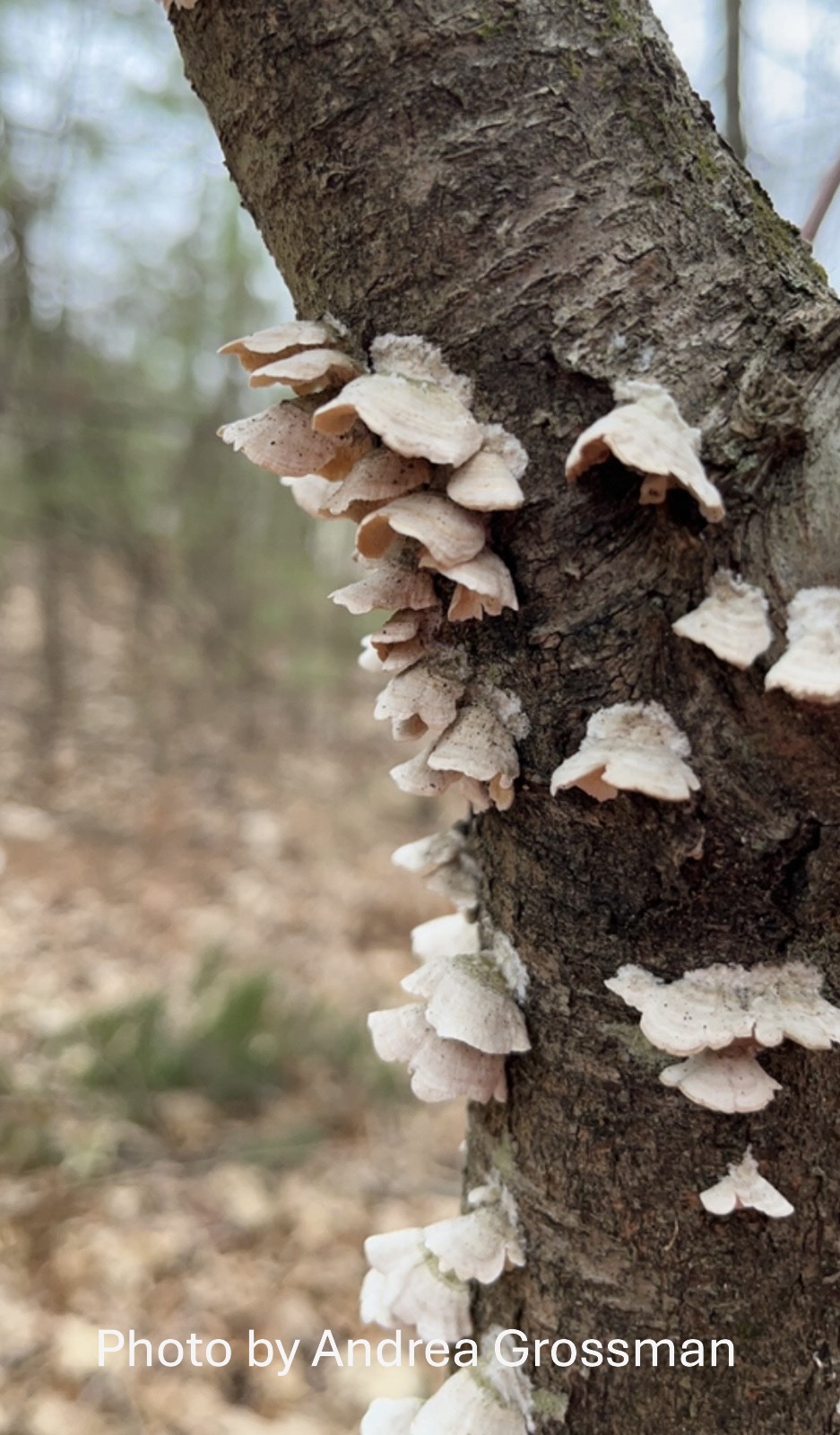
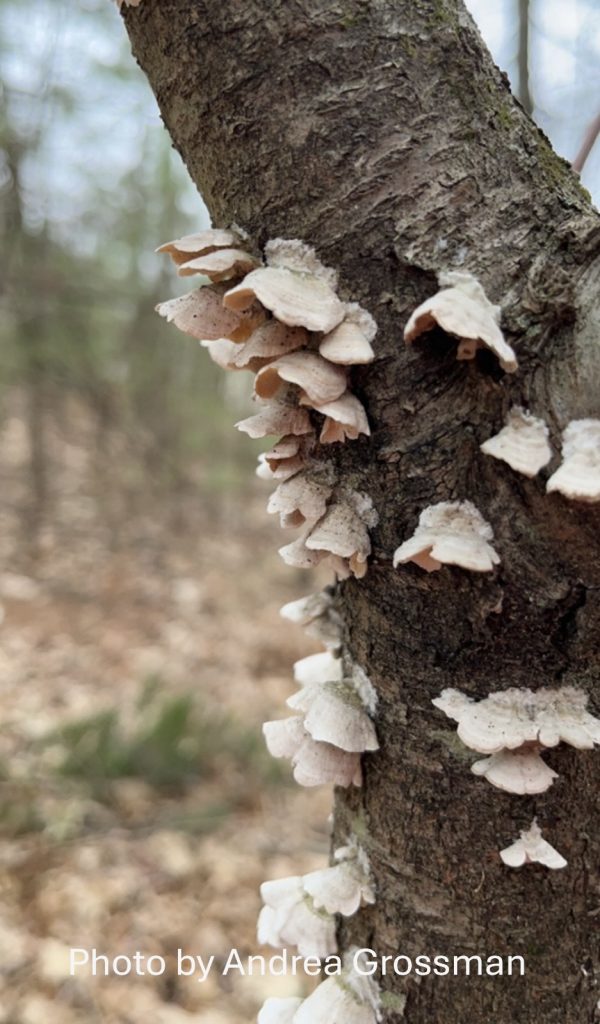
Most of what we remove in spring is not waste. It is a habitat. Hollow stems house overwintering bees; fallen leaves shelter the larval stages of butterflies, moths, and fireflies; brush piles provide cover for birds and small wildlife.
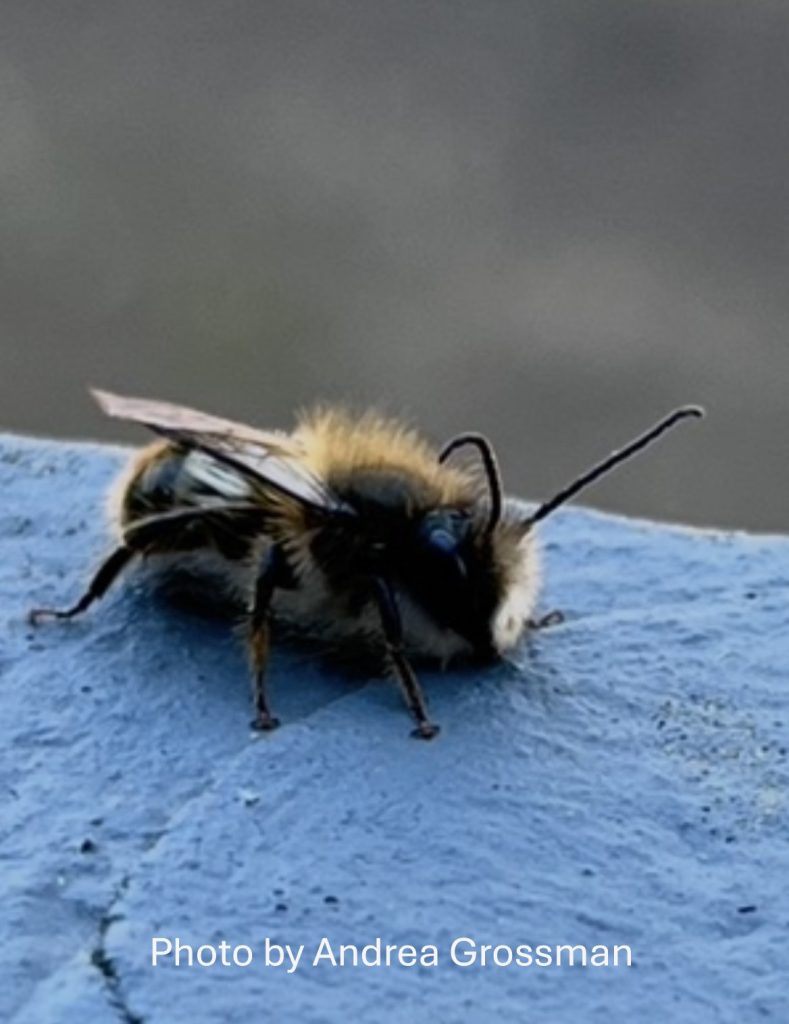
As mentioned in our prior autumn newsletter, bees are waiting for the right temperature to appear. If we cut and remove hollow stems, stem-nesting bees won’t be able to grow to their adult stage and come out to pollinate the gorgeous flowers you’ve planted. Besides, all that new plant growth will eventually cover up the stems from last fall. In a few weeks, it will be like those stems aren’t even there!
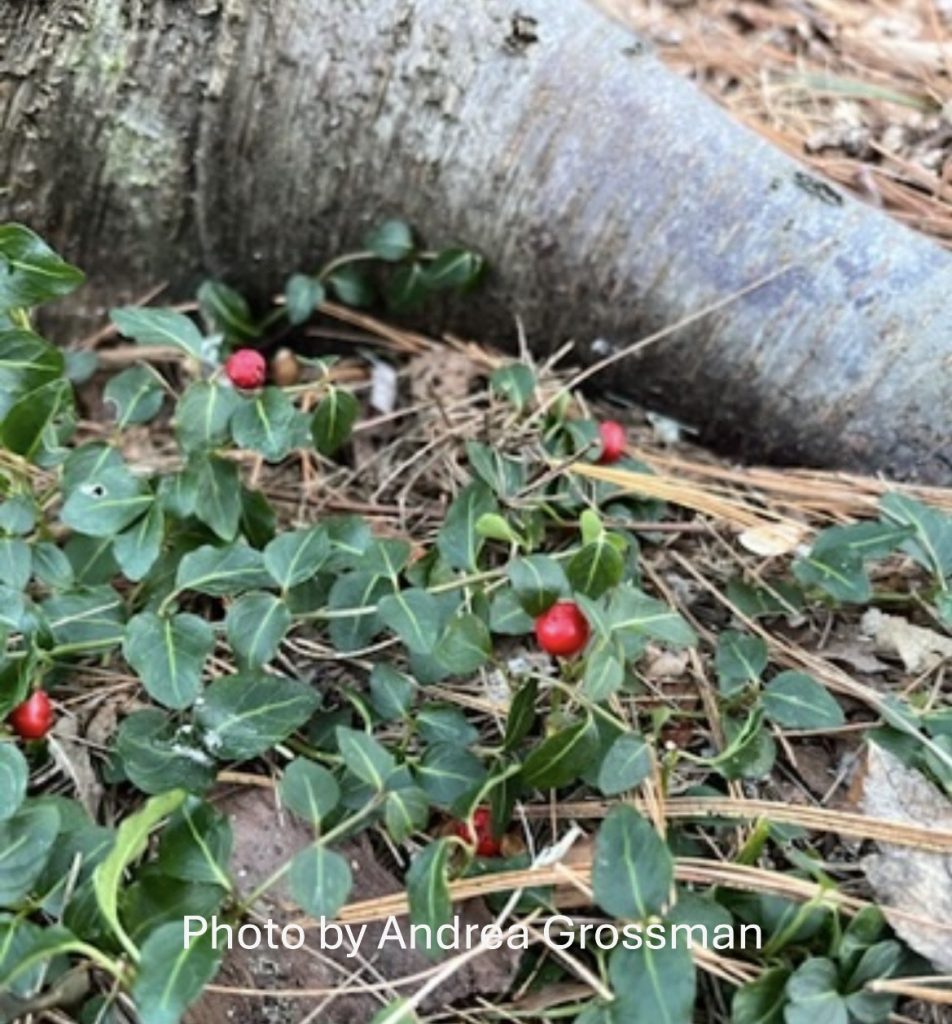
Leave the leaves. Butterflies and moths overwinter as pupae under leaf litter, in curled leaves, and attached to dried stems. Beneficial insects like ladybugs (yes there are ladybugs native to here), lacewings, and ground beetles are taking refuge in that plant debris. Want less pests? Keep those leaves! Besides, our native plants have evolved dealing with fallen leaves. If you are really concerned, gently rake them and spread them over a larger area.
Stack up the sticks. These brush piles, also known as habitat piles, create valuable habitats for wildlife such as sparrows, turtles, salamanders, and more. Larger piles may even become den sites for weasels or foxes (natural pest control!). Pollinators like butterflies also use brush piles for hibernation.
These places also serve as areas for wood to slowly decay, letting carbon slowly enter the atmosphere, rather than burning the brush. These piles can be kept away from your house or property line. Having them in an accessible area for continued maintenance. You can place them in an inconspicuous area, at the back of your property near native shrubs, for those nosy neighbors.
When building a brush pile, leave enough space for wildlife to enter and exit. Incorporate rocks, boulders, logs, and stumps into the structure. However, do not include any wood that has been pressure treated (can have toxic chemicals) or painted with lead-based paint. Add sticks and other brush to the pile as it slowly degrades and shrinks over time. Several of the links below describe how to build a brush pile.
While we’re talking about creating habitat for wildlife, there is another important topic to consider: chemicals on the lawn. Signs from mosquito and tick control companies saying these yards are “mosquito and tick free” are quite deceiving. These chemicals are not targeted towards just these two pests. In fact, they kill many insects including bees, butterflies, and other beneficial insects. In fact, thousands of monarchs were found dead in the Fargo-Moorhead area of North Dakota and Minnesota after it was aerial sprayed with permethrin to control mosquitos. Those sprays are also only targeting adult mosquitoes. But their larvae, up to hundreds produced for one brood by one mosquito, live on. If you really want to target those pesky mosquitoes, use what Dr. Doug Tallamy calls the mosquito “Bucket of Doom” (link here: https://homegrownnationalpark.org/mosquito-bucket-challenge/).
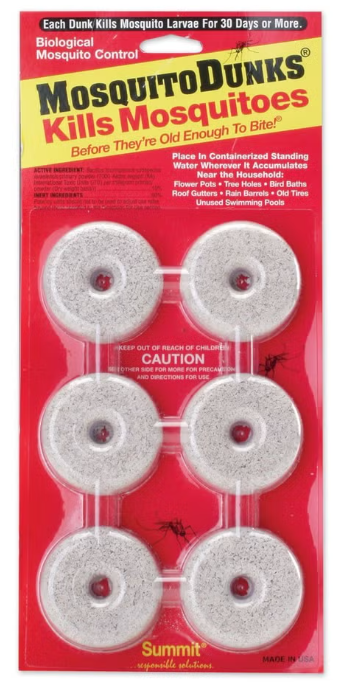
Dr. Doug Tallamy has been blunt about this mismatch between intent and outcome; killing adult mosquitoes feels effective, but it leaves the reproductive engine intact. Instead of killing adult mosquitos, these easy DIY buckets kill the larvae instead. To make a “Bucket of Doom“, get a 5 gallon bucket (or more!), fill with water, grass clippings and other weedy material, buy a pack of mosquito dunks, break one up and put in the bucket, cover the bucket with say hardware cloth, sturdy stick, or other material so other wildlife so do not get injured, and place in a quiet shady area. Make sure to dump the bucket every so often on a hot driveway and restock the bucket. Also make sure to clean up any other standing water on your property, even a water bottle cap can be a breeding ground for mosquitoes.
Used correctly, this approach can reduce mosquito populations while minimizing harm. Standing water elsewhere should still be eliminated, and mosquito dunks should never be used in wetlands or natural water bodies, where they can affect non‑target insects. For personal protection, treating clothing is often more effective than treating entire landscapes. After a while, you’ll see less mosquitos and you will get to enjoy staying outside! Using these buckets kills the larvae without the collateral damage.
With this in mind, let nature do its work.
Looking for some more information about why not to spring clean and what you can do? Here are some articles below:
- Xerces: For Pollinators’ Sakes, Don’t Spring into Garden Cleanup Too Soon!
- From Grow Native Massachusetts: Let Your Hidden Native Plant Garden Emerge
- From Garden for Wildlife: Spring Garden Care: How to care for your native plants this spring
- From Grow Native Missouri Prairie Foundation: Native Landscape Care Calendar
- From Prairie Up: It’s Not About Cleaning U
- From Mt. Cuba Center: Tips for Fall Garden Clean-up
- Leaf-ing space for wildlife – US Fish and Wildlife
Stems:
- https://xerces.org/publications/brochures/save-the-stems
- https://www.pollinator-pathway.org/post/save-your-stems
- https://www.speakingoflandscapes.com/node/636
Brush Piles
- Brush Piles – A Safe Space for Wildlife – US Fish and Wildlife
- The Hidden Value of Brush Piles – Adirondack Almanack
- Something Wild: The Beauty of Brush Piles – Society for the Protection of New Hampshire Forests
- Brush Piles: A Backyard Bonanza for Wildlife – Hitchcock Center: Education for a Healthy Planet
- The Brush Pile: Build it for our Wild Friends – Chose Natives: Plant for Life
- Brush Piles For Wildlife – Virginia Department of Forestry
- Build a Brush Pile For Birds – Audubon
“Mosquito and Tick” sprays
- Mosquito Bucket Challenge – Homegrown National Park
- Mosquito Bucket Challenge Slides – Concord Free Public Library
- Winter Webinar – Pesticide-Free Landscapes for Pollinators and People: How We Can Help – Pollinator Pathways (Recorded Webinar)
- 8 Common Pesticide Questions, Answered – Xerces
- What You Need to Know Before Spraying for Mosquitoes – NWF Blog
- Ecological Risk Assessment Rationale for Pyrethroids in Registration Review – EPA
- Overkill: Why Backyard Mosquito Sprays Are Bad for the Environment – Keep Massachusetts Beautiful
- When it Comes to Pesticides, Birds are Sitting Ducks – Smithsonian’s National Zoo & Conservation Biology Institute
Previous Newsletters about Autumn and Winter.
Spring Ephemerals
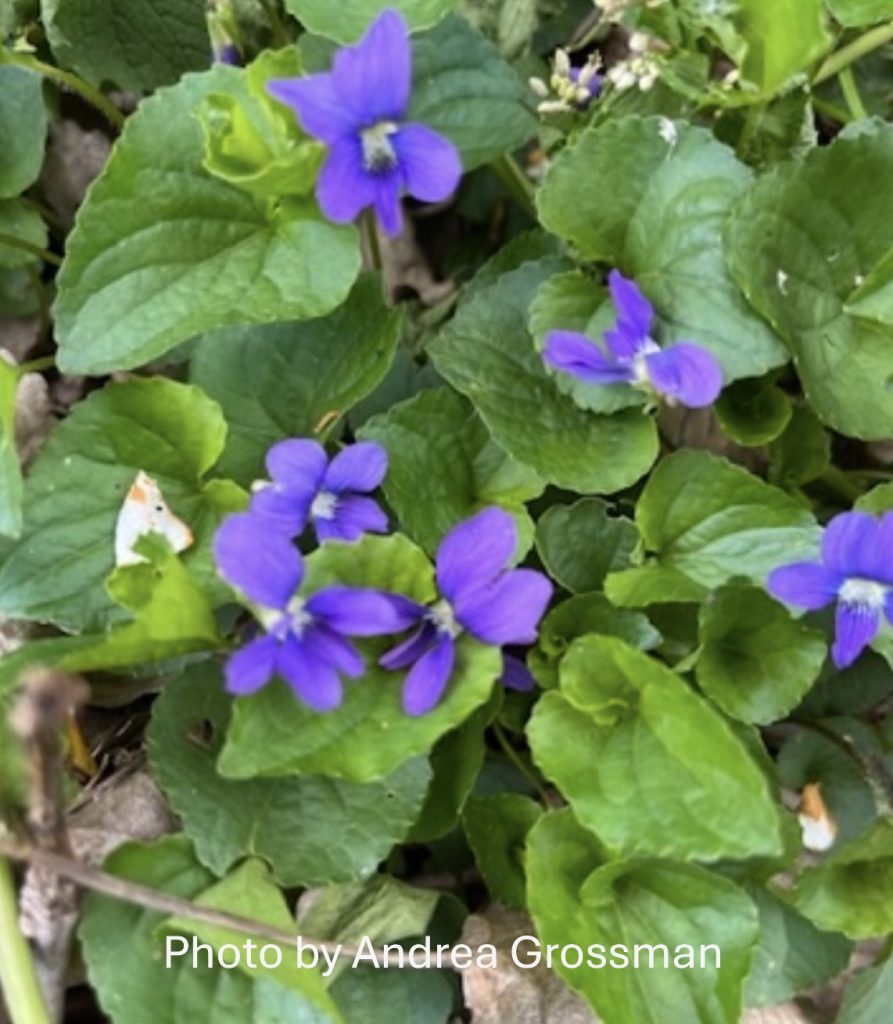
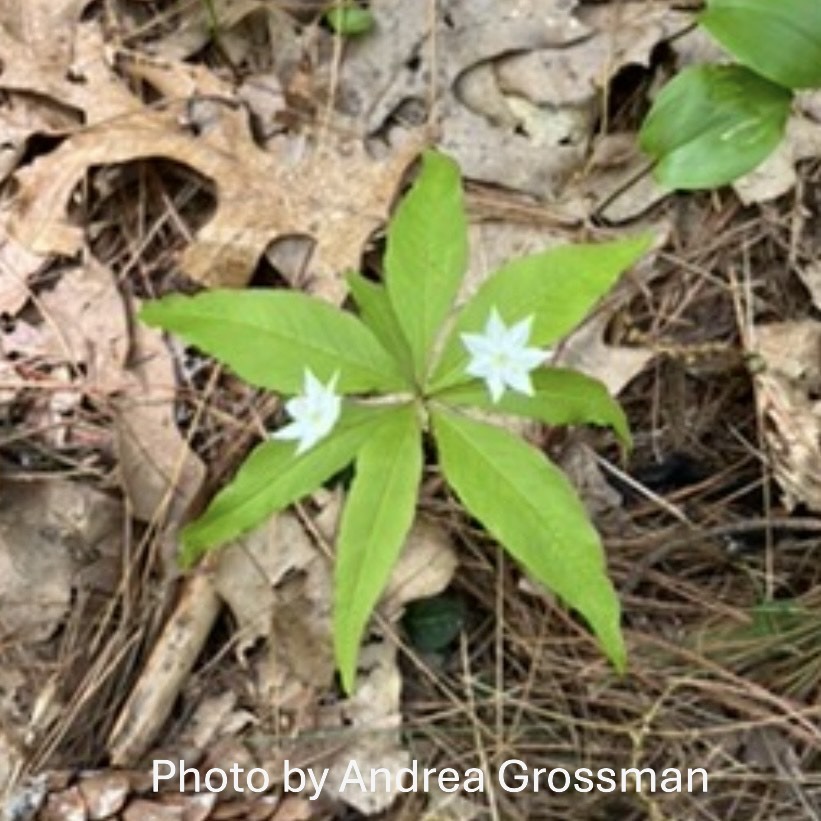
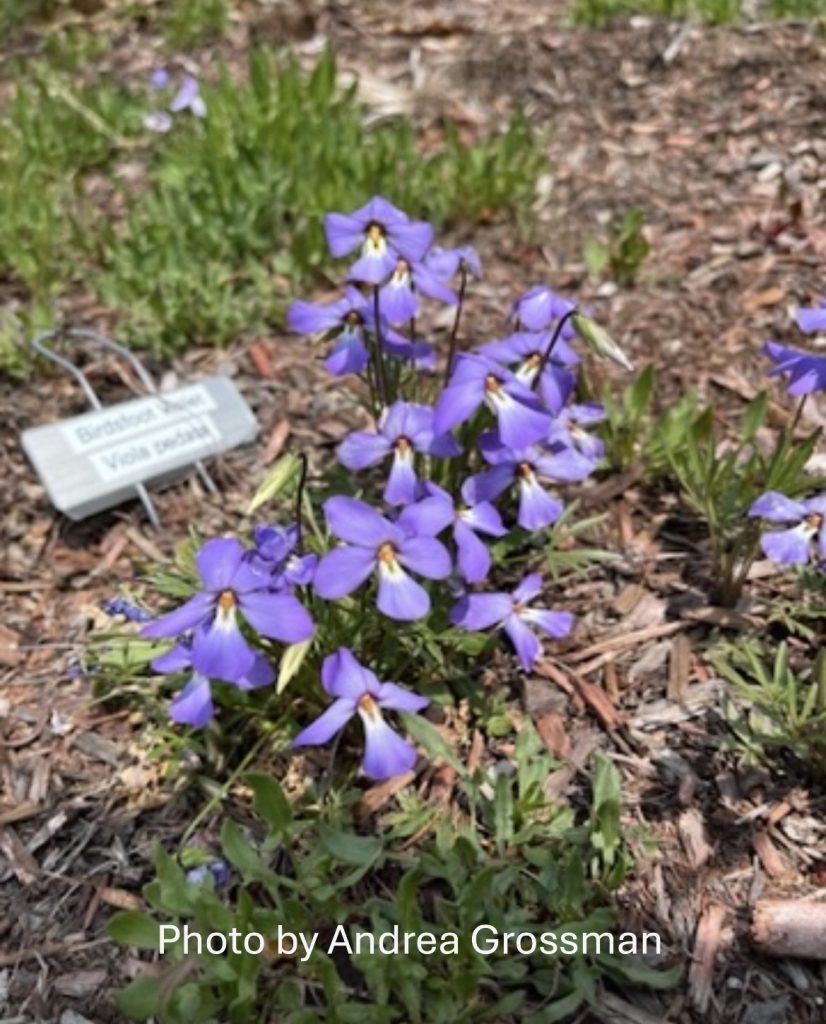
Most of us have been taught to read spring through familiar signals: crocuses pushing through lawns, daffodils along foundations, tulips lined up in neat rows. They’re cheerful, and they do their job. But they aren’t from here. Not Massachusetts, not even the Americas.
The native plants that evolved here are called spring ephemerals, as they complete their life cycle in a narrow window of time. They emerge after snowmelt, bloom quickly while sunlight still reaches the forest floor, and then go dormant again as trees leaf out.
Violets (Common Blue Violet and Bird’s Foot Violet pictured on the left and right), Starflower (pictured center), Trilliums, Pussytoes, Wild Ginger, Marsh Marigold, Dutchmen’s Breeches, Wild/Common Strawberry, Wild Geranium, and Bloodroot are some of the few spring ephemerals that emerge after the snow has melted away.
The same goes for many native shrubs blooming now. Alders, American hazelnut, winterberry, bayberry. They don’t make much of a show, but they matter. For insects waking up, for birds arriving hungry, for systems restarting after winter, this brief window is essential.
If you’re curious, we’ve shared a few resources below for learning more about native spring bloomers and how to recognize them when you’re out walking.
- Spring ephemeral flowers – Mass Division of Fisheries and Wildlife
- Spring’s Fleeting Blooms – Mass Audubon
- How to Spot Spring Ephemerals – New England Forestry Foundation
- Spring Ephemerals: Short-Lived Wildflowers – The Trustees of Reservations
- PUBLIC Comprehensive native plant list – mostly of the Northeast – MAPN