
Leave the Leaves
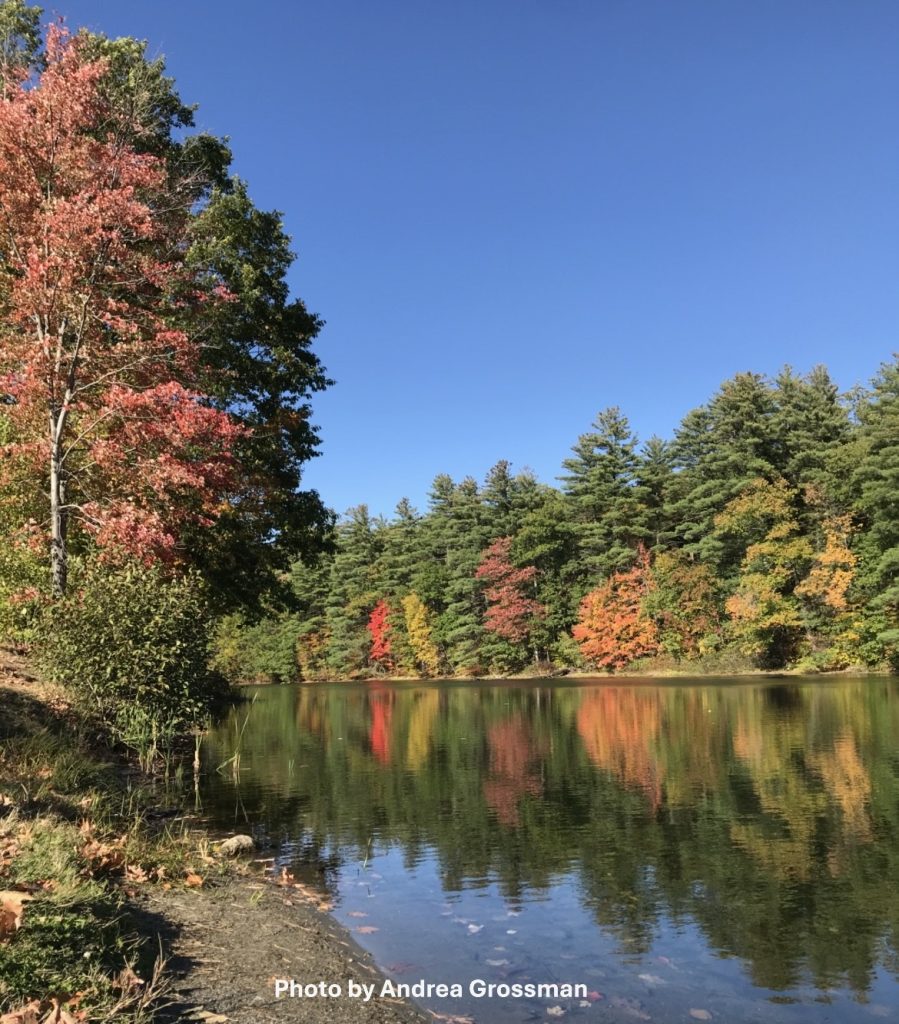
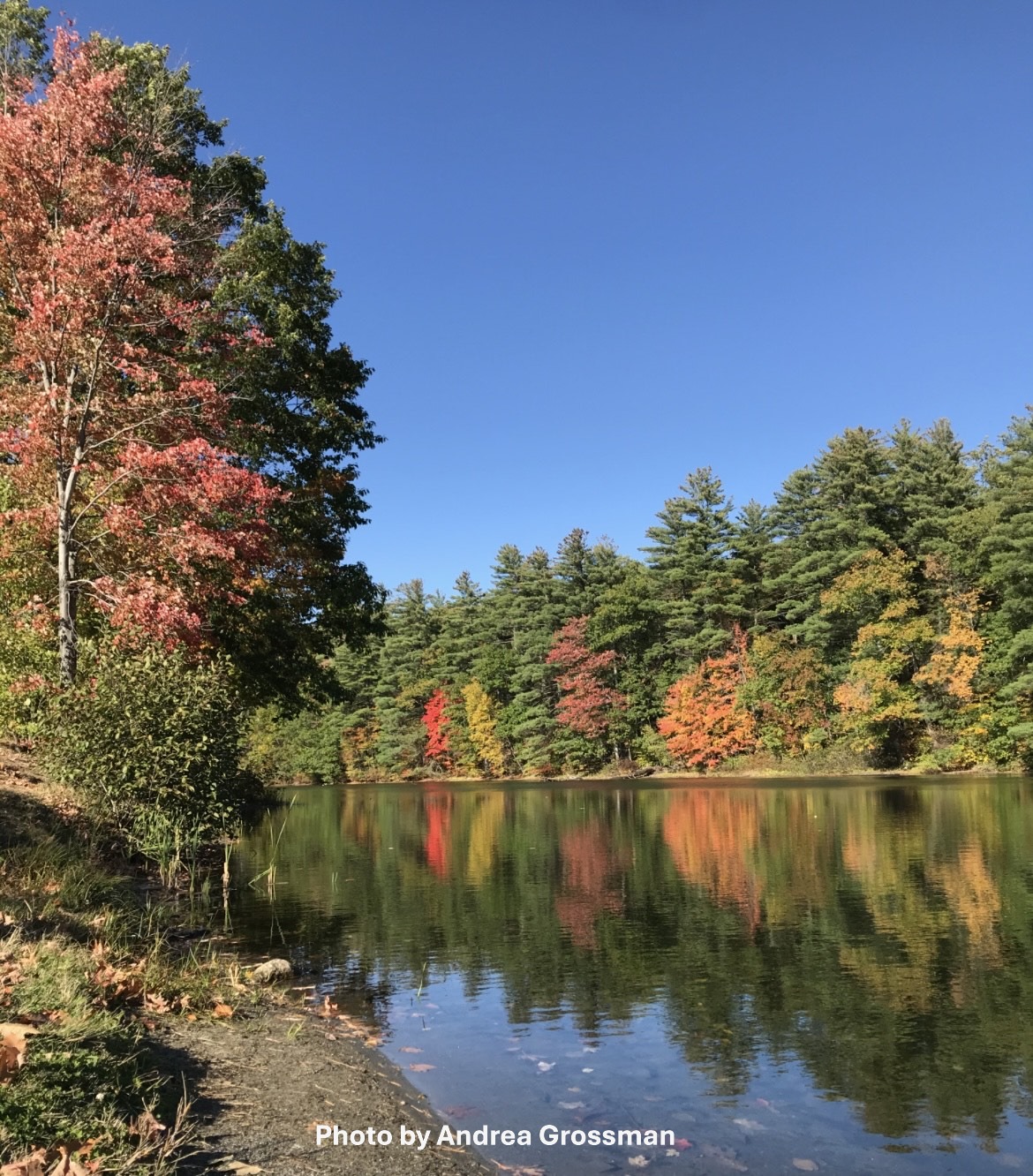
With the arrival of Autumn, shorter days and colder nights make everyone eager to take shelter – including our insect neighbors! With these colder days ahead, leaves have already started dropping to the ground, and with that, most of us get an urge to clean them up.
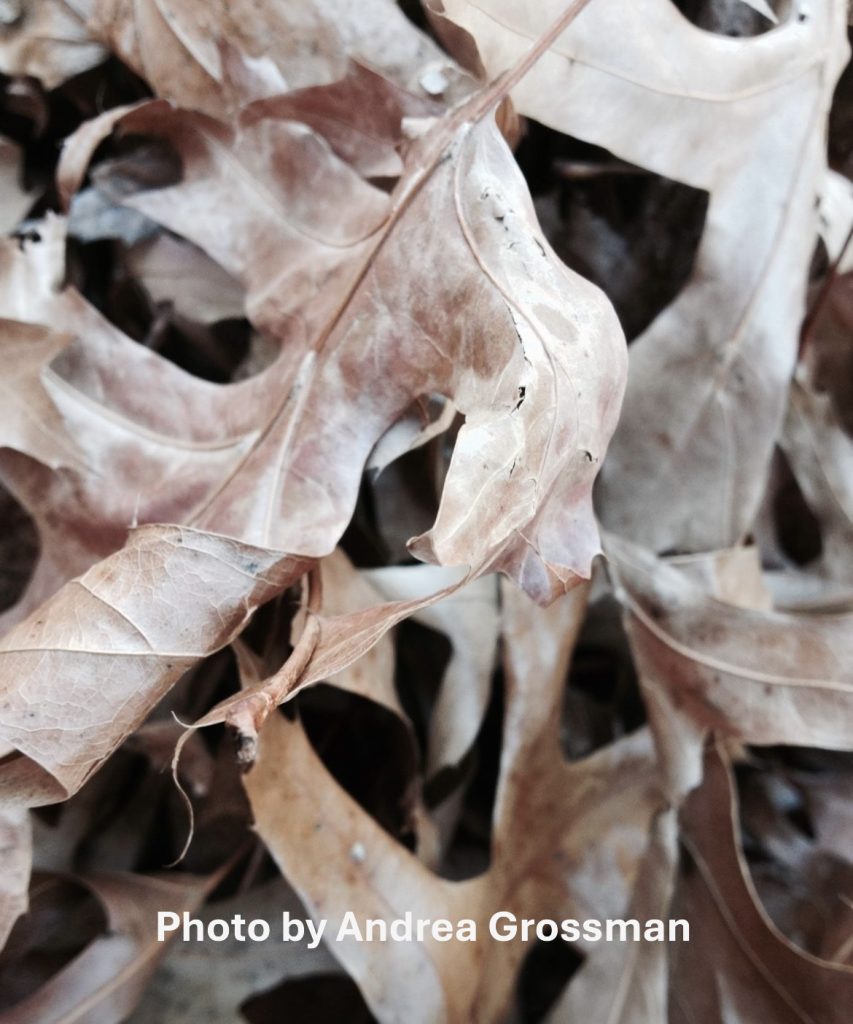
But before you begin bagging up all the leaves to send to the landfill, consider this: fireflies, beetles, bumblebees and more will be using fallen leaves for shelter with the coming cold. The leaves provide warmth and protection from the bitter frost and ensure pollinators and other insects can make it through to the spring.
According to the Xerces Society for Invertebrate Conservation, the availability of this overwintering habitat is an extremely significant factor in the populations of native bees, butterflies, and other beneficial insects. Traditional landscaping practices have given us that feeling of needing to clean, to remove the leaves from lawns, gardens, walkways, and driveways. However, when we look at the bigger picture, perhaps our perspective can begin to shift.
Getting those leaves off the driveways, storm drains, and walkways reduces safety risks, but instead of blowing and putting those leaves in paper or trash bags, think about leaving them in your gardens and around your trees. Luna moths, bumblebees, fireflies, wood frogs, spring peepers, and all sorts of beetles can be found in leaf piles where they rest for the winter. Songbirds will be absolutely joyous to find beetles and other such insects to munch on during late, sunny autumn days.
Leaves also provide nature’s fertilizer and keep carbon in the ground as they decompose. In fact, a recent study conducted by the University of Maryland found that sites where leaves have been left kept 32% more carbon in the ground than spaces where they were removed. The entire study can be found here.
If you are worried about the amount of leaves to leave. Here are some tips.
- Heavy piles of leaves can kill your lawn – but this gives you a chance to increase some garden areas! Examples include rain gardens, shade trees, pollinator gardens, meadows, food forests, and more! Want to keep your lawn? A thin layer of leaves will do.
- Leaves can be left around trees and shrubs – though don’t pile them up too high.
- Sun loving perennials and plants that like well-drained soils don’t grow well when leaves are piled more than a few inches.
- If you just can’t stand to have leaves over your whole yard, consider dedicating a portion of your yard for overwintering habitat.
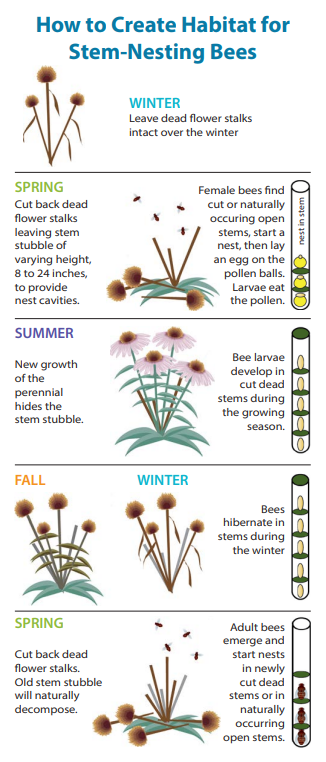
Another way to keep pollinators happy on your property is to save the stems. Native bees and other insects use stems to keep their eggs safe through the winter. Seed heads on stems also provide food for visiting songbirds during the winter months. All stems will eventually decompose and feed the soil. Feel the need to remove stems? Wait till the latest you can in the spring and leave about 1.5 feet (or 18 inches) standing.
So, before you start clearing your yard this fall, consider leaving some, if not all the leaves, to help support your local ecosystem.
Want some more information on leaving the leaves and saving those stems? Here are some helpful links below:
Leaves:
- https://wildseedproject.net/blog/leave-the-leaves
- https://grownativemass.org/Great-Resources/gems-e-news/Leaving-Your-Leaves
- https://masspollinatornetwork.org/resources/garden-to-support-pollinators/
- https://www.pollinator-pathway.org/rethink-your-yard
- https://homegrownnationalpark.org/9zvgygvxvjig0eujsy3ygbkfcy92dn/
Stems:
- https://xerces.org/publications/brochures/save-the-stems
- https://www.pollinator-pathway.org/post/save-your-stems
- https://www.speakingoflandscapes.com/node/636
Fall Flowers
With fall comes fall flowers. Goldenrods, Solidago spp., and asters, Symphyotrichum spp., are in full bloom, from showy goldenrod to New England Aster. Traditional gardeners and flower enthusiasts may love to buy mums for some autumn colors. But did you know you can make asters look short and dense like mums? A plus for asters is that, unlike mums, asters are native and pollinator magnets. Ever notice those mums don’t really have any bees buzzing around them? Those mums, a shortened name from chrysanthemum, are from East Asia and are not native to North America.
How do you make asters short and dense like those fall mums? The answer is the Chelsea Chop. This method encourages stronger, shorter stems and encourages more blooms. Use this method in May to June and you’ll get a bushier appearance in your asters. One of the best asters to do this with is New England Aster, Symphyotrichum novae-angliae.
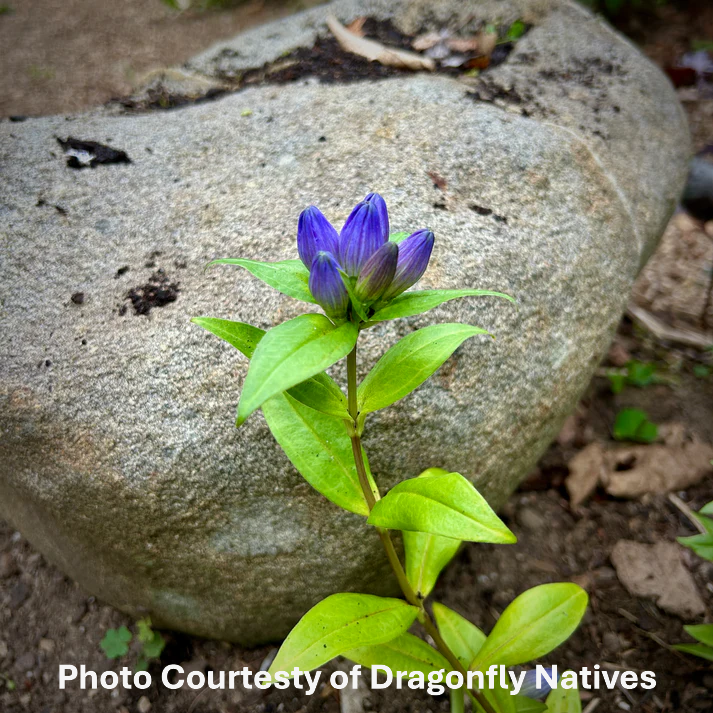
There are also numerous other fall blooming flowers as well! Ironweeds (Vernonia spp.), Bonesets (Eupatorium spp.), Gentians (Gentiana spp.), and Thistles (Cirsium spp.). Want to know which ones are native to your area? Check out Native Plant Trust’s GoBotany (New England only) or BONAP.
Image: Bottle Gentian, Gentiana clausa